Maritime and energy assets often remain in service for decades, making long-term spare parts availability an increasing operational priority. Traditional supply chains can become more difficult to rely on as legacy components, discontinued tooling, and shrinking supplier networks reduce part availability.
Delays in obtaining critical parts can extend maintenance schedules, increase downtime, and affect operational continuity. Global operations often require spare parts to be delivered across multiple regions, adding further supply chain complexity.
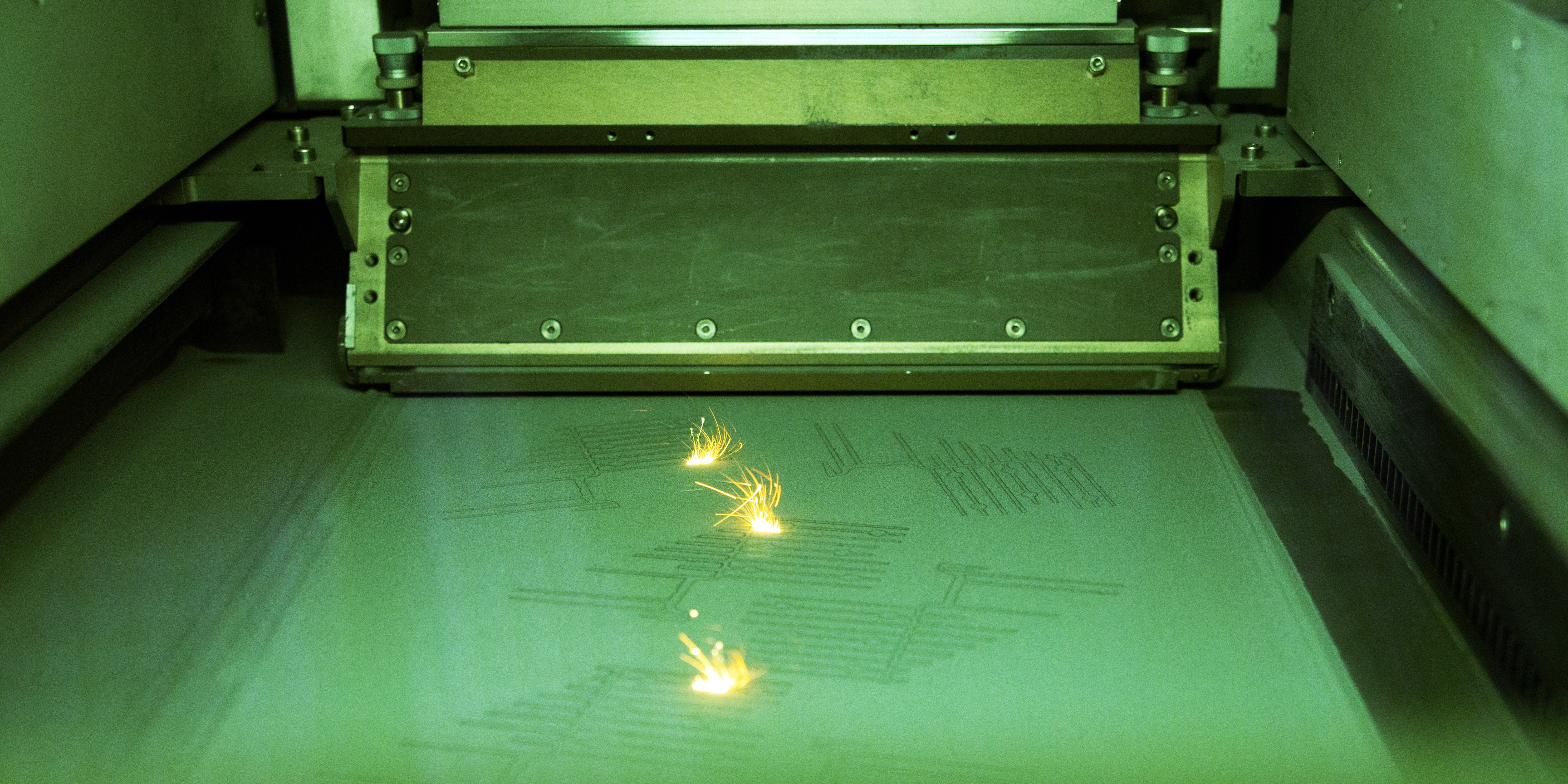
At Pelagus, on-demand manufacturing covers both additive and conventional production methods, with the right approach selected for each part based on its technical requirements and use case. Additive manufacturing allows certain spare parts to be built layer by layer directly from qualified digital engineering data, making it particularly valuable for selected low-volume, legacy, and complex components where conventional production may be less practical.
How Additive Manufacturing Supports Parts Availability
Additive manufacturing expands the manufacturing options available for selected maritime and energy parts by complementing conventional production methods rather than replacing them. It is particularly well suited to eligible low-volume and legacy components where conventional manufacturing may be less practical due to tooling requirements or declining demand.
For approved components, additive manufacturing enables production directly from qualified engineering data without recreating dedicated tooling, helping maintain part availability as traditional supply chains evolve. When supported by secure digital inventory, OEM oversight, and qualified manufacturing partners, it provides an additional production pathway while maintaining approved engineering, quality, and traceability requirements.
Not every spare part is suitable for additive manufacturing. Manufacturing method selection depends on factors such as component geometry, material requirements, operating conditions, qualification needs, and production volume. As part of a broader OEM-controlled on-demand manufacturing strategy, additive manufacturing works alongside conventional manufacturing to help ensure the most appropriate production method is used for each approved component.
Which Parts Are Well Suited to Additive Manufacturing
The suitability of additive manufacturing depends on the engineering and operational requirements of each component. Legacy and low-volume components with infrequent or unpredictable demand are strong candidates because maintaining physical inventory or dedicated tooling for these parts may become increasingly impractical over time. Additive manufacturing helps support continued availability by enabling production when approved parts are required.
Components affected by long lead times, obsolete tooling, or diminishing supplier availability can also benefit from alternative manufacturing pathways. Producing eligible parts from qualified digital engineering data helps improve access while reducing dependence on traditional supply chains that may no longer efficiently support legacy components.
Parts with complex geometries or specialized designs are often well suited to additive manufacturing, as certain features can be produced more efficiently than with conventional manufacturing methods. High-value components that are expensive to store for extended periods may also benefit from on-demand production, reducing inventory exposure while maintaining availability.
Final manufacturing method selection should always be based on part qualification, material requirements, performance expectations, regulatory considerations, and the intended application. Additive manufacturing is most effective when integrated into an OEM-controlled on-demand manufacturing strategy that selects the most appropriate production method for each approved component.
Localized Manufacturing Supports Global Maritime And Energy Operations
Maritime and energy assets operate globally, often requiring spare parts far from traditional manufacturing locations. Supporting assets across multiple operating regions requires manufacturing strategies that can respond to geographically distributed demand.
Producing approved parts closer to the point of need can reduce logistics complexity and improve responsiveness for both planned maintenance and unexpected repairs. When integrated into an OEM-controlled on-demand manufacturing model, localized manufacturing helps improve supply chain resilience while maintaining consistent quality, traceability, and OEM oversight across the production process.
Localized production helps maintain access to genuine spare parts while supporting aging vessels and long-term asset operation. OEM control preserves product integrity throughout the genuine spare parts supply chain.
Quality, Traceability, and Compliance Remain Essential
Components should be produced in accordance with approved engineering specifications, material requirements, and inspection criteria. These requirements help ensure that manufacturing remains aligned with the intended application of each component.
Traceability, testing, and documentation remain essential throughout production. Maintaining documented manufacturing records supports quality assurance while providing visibility across the production process.
Inspection and certification requirements should reflect the criticality of each component and its intended application. Confidence in additive manufacturing depends on consistent quality, compliance, and documented traceability.
Operational Benefits for OEMs and Asset Owners
Key operational benefits include:
- Improved availability and shorter lead times for genuine spare parts supporting aging vessels and offshore assets.
- More reliable maintenance planning and operational continuity through dependable access to approved replacement parts.
- Reduced dependence on maintaining physical stock, as secure digital inventory keeps eligible components production-ready until they are required.
- Improved responsiveness through localized manufacturing closer to the point of need, helping reduce logistics complexity for globally operating assets.
- Continued access to genuine OEM-approved spare parts that support safe, reliable, and efficient operation throughout the asset lifecycle.
Maintaining reliable access to genuine spare parts is becoming an increasingly important part of long-term asset support, particularly as maritime and energy assets remain in service for extended operating lifecycles.
Additive Manufacturing Within an On-Demand Manufacturing Strategy
Additive manufacturing is one of several qualified manufacturing methods used within modern on-demand manufacturing. It expands the manufacturing options available for approved components while operating alongside conventional production methods.
Conventional manufacturing processes remain appropriate for many components, and the selection of manufacturing methods depends on part geometry, materials, qualification requirements, production volume, and application.
Selecting the appropriate manufacturing method ensures that approved components continue to be produced in accordance with their engineering and operational requirements.
Beyond Availability: Design Opportunities with Additive Manufacturing
In some cases, additive manufacturing can also enable engineering improvements that are difficult or uneconomical using conventional production methods. Components may be redesigned to consolidate multiple parts into a single component, reduce weight, simplify installation, improve internal flow paths, or eliminate potential leakage points.
While these optimizations depend on engineering validation and application requirements, they demonstrate that additive manufacturing can sometimes improve manufacturability and operational performance as well as long-term availability.
Understand The Model Before The Decision
On-demand manufacturing for legacy parts is a different kind of supply chain decision. Before evaluating a supplier, OEMs and operators benefit from understanding what the model actually involves and where it fits in maritime and energy operations.
Read: How on-demand parts manufacturing works