Introduction
For active production programs with predictable demand, traditional batch manufacturing remains the most efficient way to produce components at scale.
However, legacy parts do not fit well in this model. Demand for any single component is too low and irregular for batch production. Traditionally, legacy parts that are not held in stock are made to order through the same channels built for scale. This is a slow, costly process for one-off production runs.
As aging assets grow more common worldwide, demand for legacy parts is rising, putting a strain on OEMs and widening the coverage gap between what operators need and what traditional solutions can reliably supply.
THE COVERAGE GAP
The growing distance between what operators need and what traditional manufacturing can reliably supply. |
Rather than replacing traditional manufacturing for legacy and similar low volume parts, on-demand manufacturing complements it, supporting legacy components while keeping genuine parts available throughout the asset lifecycle.
Why Does Traditional Manufacturing Become Less Effective for Aging OEM Portfolios?
Traditional manufacturing depends on predictable demand volumes and accurate forecasting. Production is planned, with components manufactured in batches to achieve economies of scale.
As OEM portfolios mature, replacement demand becomes increasingly difficult to predict because it is driven by equipment condition, emergency failures, and regional maintenance requirements rather than production schedules.
As a result, minimum order quantities become uneconomical, tooling may be retired, and production capacity shifts toward active programs.
What Happens When Lead Times Exceed Operator Tolerance?
One of the consequences of this shift is extended lead times for genuine replacement parts. When lead times exceed operational requirements, a coverage gap widens.
When genuine parts are unavailable within the required operational timeframe, operators may begin turning to non-genuine supply to restore equipment as quickly as possible.
For OEMs, these coverage gaps create several commercial and operational challenges. Reduced availability can limit visibility across the installed base as components are sourced outside approved supply channels.
It can also reduce part supply revenue when customers purchase replacement components elsewhere. At the same time, sourcing through non-approved channels can reduce OEM control over component quality.
As legacy portfolios continue to grow, these challenges highlight the need for a manufacturing strategy that can support genuine replacement parts even when conventional batch production is no longer the most practical option.
What Is On-Demand Manufacturing and How Does It Work for OEM Component Supply?
Production is triggered differently from traditional manufacturing. Instead of producing components in anticipation of future demand, production generally begins only after a confirmed order has been received.
This represents a shift from forecast-driven production to confirmed-order production. Since manufacturing is initiated by actual demand, there is no dependence on minimum order quantities, making single-unit production possible where required.
Instead of maintaining physical inventory for every component, eligible parts are preserved as certified digital records that remain ready for future production. Manufacturing is then executed using controlled design files. This model allows genuine replacement parts to remain available even when production volumes are low, or demand is unpredictable.
The role of Digital Inventory In On-Demand Manufacturing
On-demand manufacturing replaces the need to hold extensive physical stock for eligible components. Instead of storing thousands of slow-moving parts, the OEM retains the engineering definition needed to manufacture each one on-demand: approved CAD geometry, manufacturing instructions, material and inspection requirements, and relevant certification records.
This is known as digital inventory: It keeps eligible parts production-ready without tying up capital in physical stock, and because the OEM retains the design file and approval authority throughout, it protects engineering control and IP the same way physical parts would, just faster and without the carrying cost.
A digital inventory contains:
- Approved CAD geometry
- Manufacturing instructions
- Material specifications
- Inspection requirements
- Certification requirements
Together, these elements create production-ready digital records that reduce dependence on physical inventory while maintaining OEM control over manufacturing, quality, and revisions.
Which Manufacturing Technologies Apply?
The manufacturing process depends on the component and its production requirements.
On-demand manufacturing is not one technology or only additive manufacturing. The right method depends entirely on the component: its geometry, material, certification requirements, and production needs.
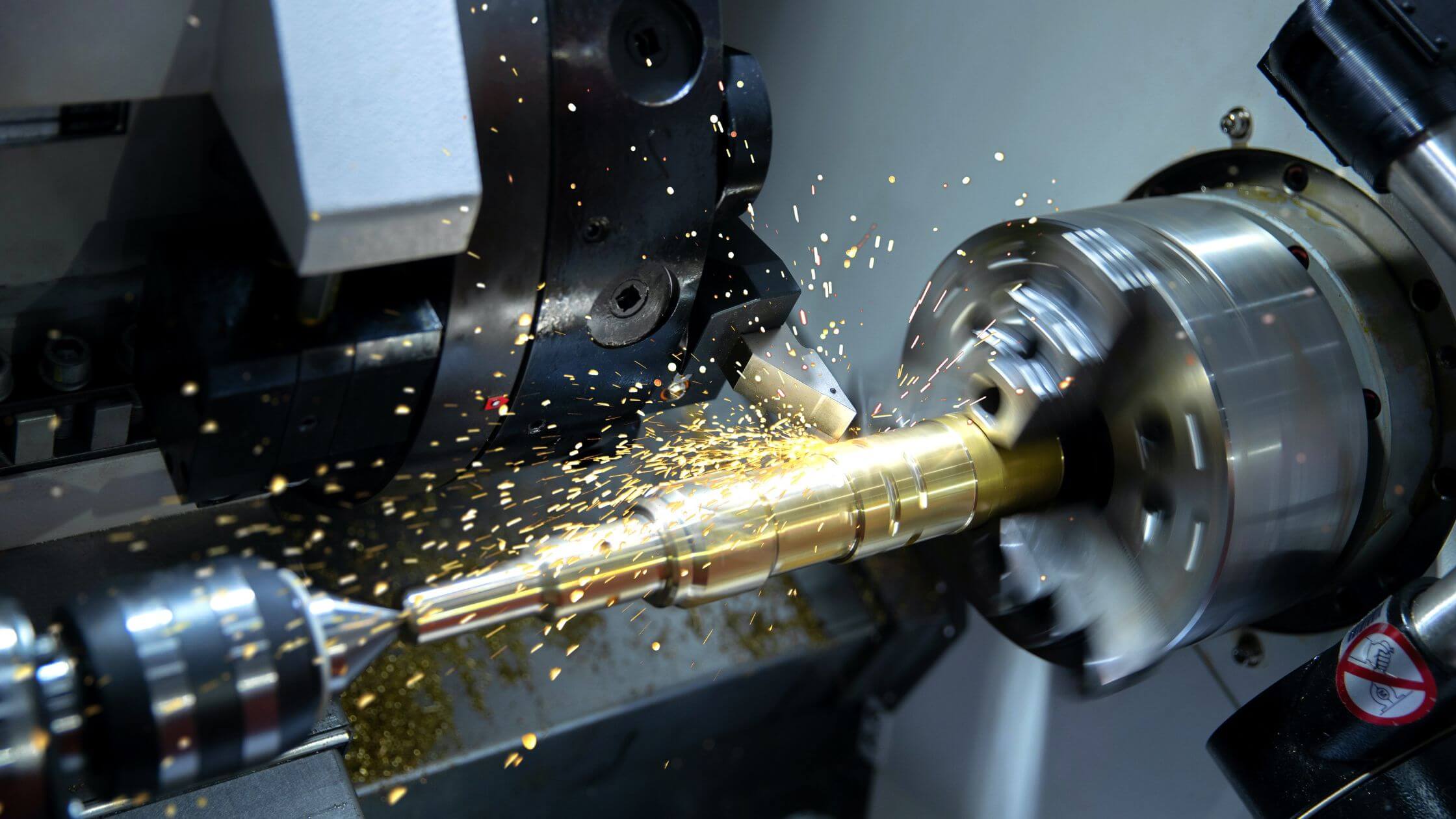
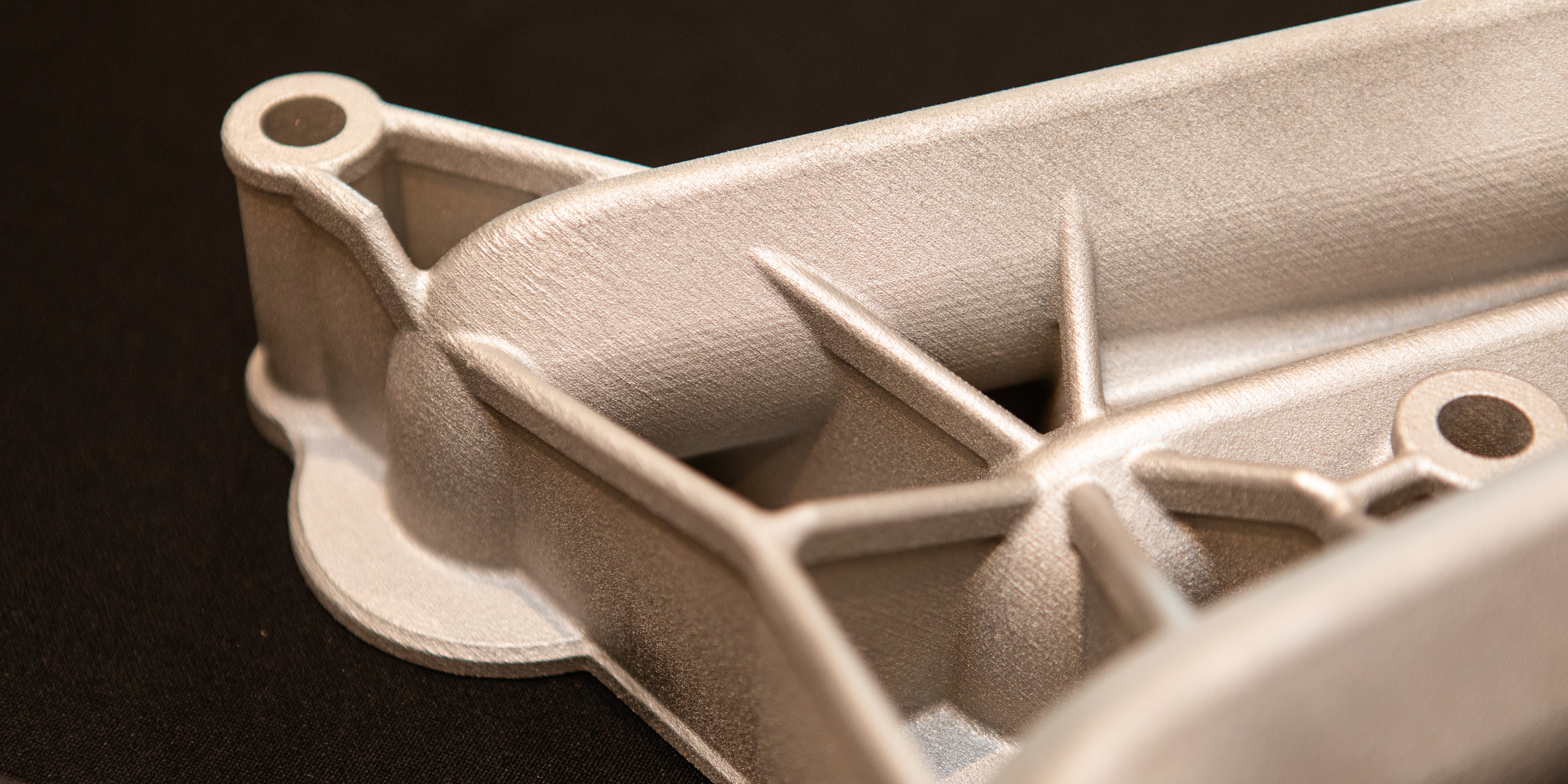
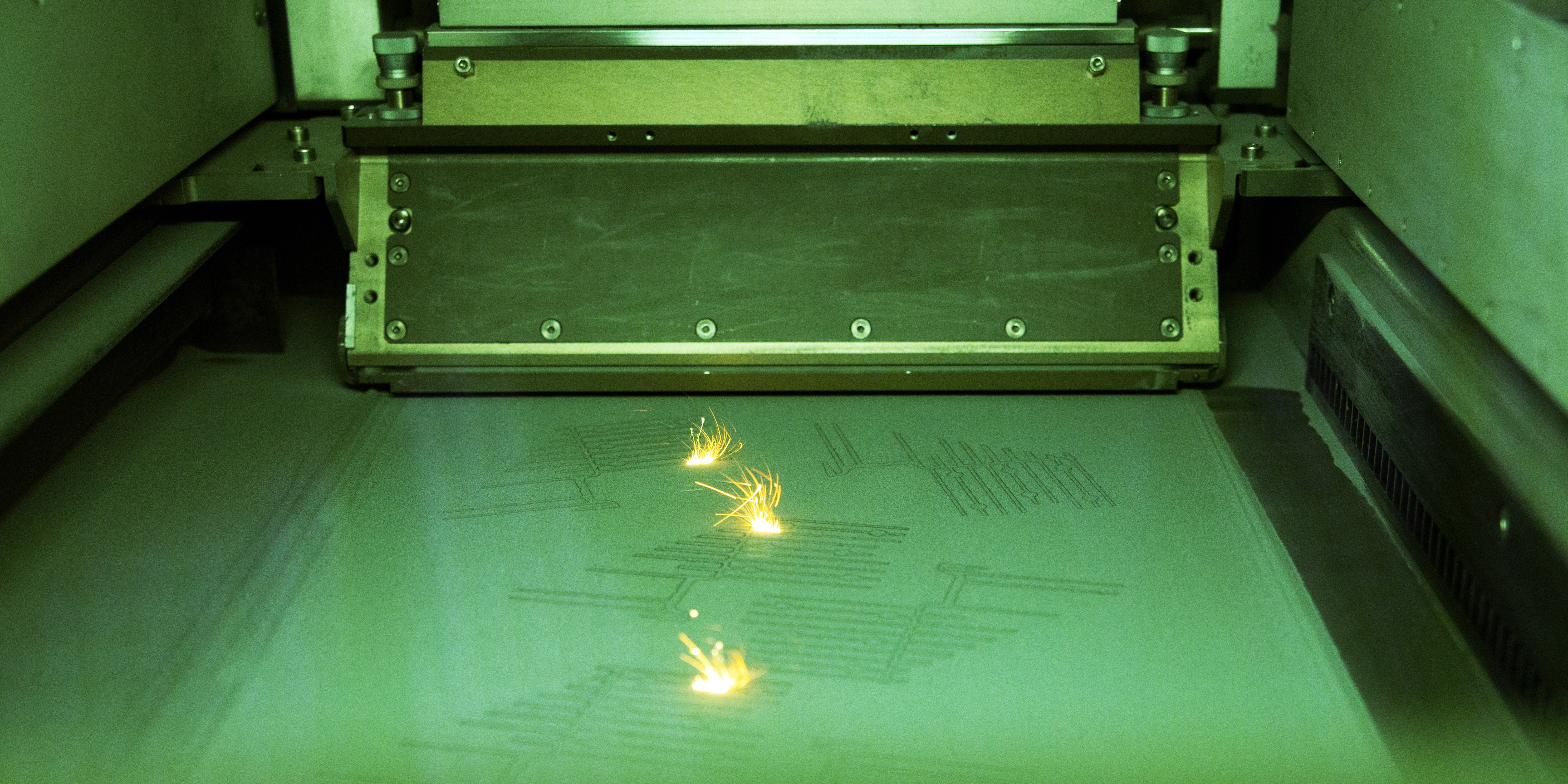
Depending on these requirements, on-demand manufacturing can use precision CNC machining, conventional casting, additive manufacturing, or other qualified production methods.
By selecting the manufacturing process that best matches the component, OEMs can continue supporting genuine replacement parts while maintaining approved engineering specifications and manufacturing requirements.
How Do Traditional and On-Demand Manufacturing Compare for OEM Aftermarket Strategy?
Traditional manufacturing and on-demand manufacturing are designed to solve different challenges. Understanding where each model performs best helps OEMs align their manufacturing strategy.
The differences between the two models become clearer when comparing how they address production planning, inventory, lead times, and lifecycle support.
| Aspect |
Traditional Manufacturing |
On-Demand Manufacturing |
| Production trigger |
Forecast-driven, planned in advance |
Confirmed order only |
| Minimum order quantity |
Required for economic viability |
None, single-unit production possible |
| Lead time for legacy components |
Several months to over a year |
Typically four to six weeks (component dependent) |
| Inventory model & carrying costs |
Physical inventory held in anticipation of demand, with associated warehousing, working capital, and obsolescence costs |
Certified digital inventory with production on-demand, minimizing inventory carrying costs |
| IP and design file control |
Dependent on supplier |
OEM-controlled design files with revision management |
| Material traceability & documentation |
Varies by supplier |
Supports end-to-end traceability |
| Aftermarket coverage & revenue protection |
Coverage gaps can reduce installed-base visibility and aftermarket revenue |
Genuine parts remain available through approved supply channels, helping retain customer relationships and aftermarket opportunities |
| Grey market exposure |
Increases as coverage gaps widen |
Reduced through continued genuine parts availability |
| Lifecycle suitability |
Active, high-volume, predictable demand |
Legacy, slow-moving, low-frequency components |
| Demand predictability |
High |
Low |
| Capital commitment |
Upfront investment in stock and tooling |
Variable production cost per order |
| Manufacturing flexibility |
Often tied to specific tooling and production lines |
Production routed through qualified manufacturing partners while maintaining OEM specifications |
How the Two Models Work Together in an OEM Portfolio Strategy
Most OEM portfolios benefit from both manufacturing models.
High-volume, predictable components remain well suited to traditional manufacturing, while legacy and low-frequency components can be supported through on-demand manufacturing.
Across both models, OEM-controlled engineering data, revision management, and approved manufacturing requirements help maintain quality while protecting intellectual property.
When Should OEMs Choose Traditional Vs. On-Demand Manufacturing?
The choice between traditional and on-demand manufacturing depends on the characteristics of the component and various other factors.
| Choose Traditional Manufacturing |
Choose On-Demand Manufacturing |
| Demand is predictable |
Demand is irregular |
| High production volumes justify batch manufacturing |
Orders are low-volume or one-off |
| Inventory turns quickly |
Inventory sits for years |
| Production programs remain active |
Original production has ended & a long lead time for replacement parts |
| Tooling remains in regular use |
Tooling is retired or uneconomical |
Which Components in an OEM Portfolio Are Suited to On-Demand Manufacturing?
Not every component within an OEM portfolio requires the same manufacturing approach. By identifying the most suitable components, OEMs can apply on-demand manufacturing where it delivers the greatest operational and commercial value.
How to Identify Candidate Parts in an Existing Portfolio
Components suited to on-demand manufacturing typically share several characteristics. Suitable candidates often have:
- Low demand frequency
- Continued operational requirement
- Reduced or discontinued original production
- High physical inventory cost
- Long traditional supply chain lead times
Component Types Most Commonly Suited in Maritime and Energy
Within maritime and energy portfolios, impellers, housings, bearings, etc. are among the component types commonly suited to on-demand manufacturing.
More broadly, components with design-specific geometry, long operational lifecycles, and irregular replacement demand are often strong candidates for this manufacturing approach. By producing these parts when required, OEMs can continue supporting legacy equipment while maintaining genuine replacement parts availability through approved manufacturing pathways.
What Does On-Demand Manufacturing Require to Maintain OEM Quality and Compliance Standards?
The effectiveness of on-demand manufacturing depends on maintaining the same engineering governance and manufacturing discipline expected of conventional production. Achieving OEM quality begins with the engineering definition used to manufacture the component.
Why OEM-Controlled Design Files Determine Compliance Outcomes
On-demand manufacturing using OEM-released design files forms part of the genuine OEM supply chain. Approved engineering data defines how a component should be manufactured, inspected, and documented, ensuring every production run follows the same requirements.
Production based on reverse-engineered measurements cannot meet the same compliance standard because it does not originate from the OEM-approved engineering definition.
This distinction influences several important outcomes, including classification society documentation, warranty validity, and installed-base traceability. Maintaining OEM-controlled design files therefore plays a central role in preserving engineering integrity throughout the process.
How Does On-Demand Manufacturing Protect OEM Aftermarket Revenue on Aging Fleet Accounts?
A coverage gap in OEM parts can move operators toward non-approved supply channels. Maintaining genuine parts supply helps OEMs retain customer relationships, component visibility, quality control, and lifecycle support opportunities.
Pelagus enables maritime and energy OEMs to maintain certified digital inventories and manufacture legacy components on-demand through an OEM-controlled supply model.
By combining digital inventory, qualified manufacturing partners, and secure IP governance, Pelagus helps OEMs maintain genuine parts availability, protect aftermarket revenue, and support legacy equipment throughout its operational lifecycle.
Which Parts In Your Portfolio Are Candidates For Digital Inventory?
Not every part qualifies, and the ones that do have sporadic demand, extended lead times, and an aging asset base. The starting point is knowing where the opportunity sits in your portfolio.
Insights | 25 August 2026