When operators source outside the genuine maker chain, the most common reasons are lead time and price. The consequences that follow are rarely factored into that decision: premature wear, documentation gaps, and liability risks.
In operation, those consequences translate into maintenance costs, downtime, compliance exposure, and, in some cases, safety risk to crew and assets.
This article explains why genuine OEM parts matter for long-term performance and safety in maritime and energy equipment, and why the argument that non-genuine parts are "good enough" rarely holds up under scrutiny.
What Makes A Part Genuinely OEM
Genuine OEM parts are engineered, tested, and validated as part of the complete system they serve.
Tolerances, materials, and performance characteristics are designed to work together; a non-genuine part may pass a visual check and still behave differently under load, pressure, or thermal cycling.
The design authority sits with the genuine maker; only they know the full specification and the inspection and testing it requires.
In maritime and energy applications, this matters across engine cooling, propulsion, hydraulics, deck machinery, and any safety-critical system.
The Real Cost Of Non-Genuine Parts
Premature Wear And Secondary Failure
Non-genuine parts may not match the wear characteristics of surrounding components, which can accelerate failure in adjacent systems.
A single incorrect tolerance in a high-cycle application compounds quickly. What looks like a cheaper replacement becomes a system-level maintenance event.
Compliance And Certification Gaps
Maritime and energy equipment must meet classification society standards; a part without certified traceability creates documentation gaps during surveys and audits.
Using non-genuine parts can void equipment warranties and complicate insurance claims, particularly where certification records and material traceability cannot be verified.
Safety Risk That Transfers To The Operator
When a non-genuine part fails in a safety-critical system, the liability sits with the operator who specified it.
A recent investigation by the UK Marine Accident Investigation Branch (MAIB) into the vessel Kommandor Susan highlighted this issue. The report found that non-genuine engine components fitted during a previous overhaul contributed to a catastrophic diesel generator failure and subsequent engine room fire during sea trials. The investigation also noted that the extended service intervals approved for the engine assumed the use of genuine OEM components.
In maritime and energy environments, where systems operate continuously under load and often far from immediate support, part provenance becomes more than a procurement decision. It affects reliability, maintenance planning, compliance, and operational safety.
Operators Turn To Non-Genuine Parts Due To Lead Times
Lead time is usually the deciding factor. When a vessel or asset needs a part and the genuine maker cannot deliver within the operational window, operators face a choice between waiting and finding an alternative.
Over 30% of the global vessel fleet is more than 20 years old, and 70% of energy assets are more than 25 years old. For aging assets, legacy parts from genuine makers have historically been the hardest to source quickly.
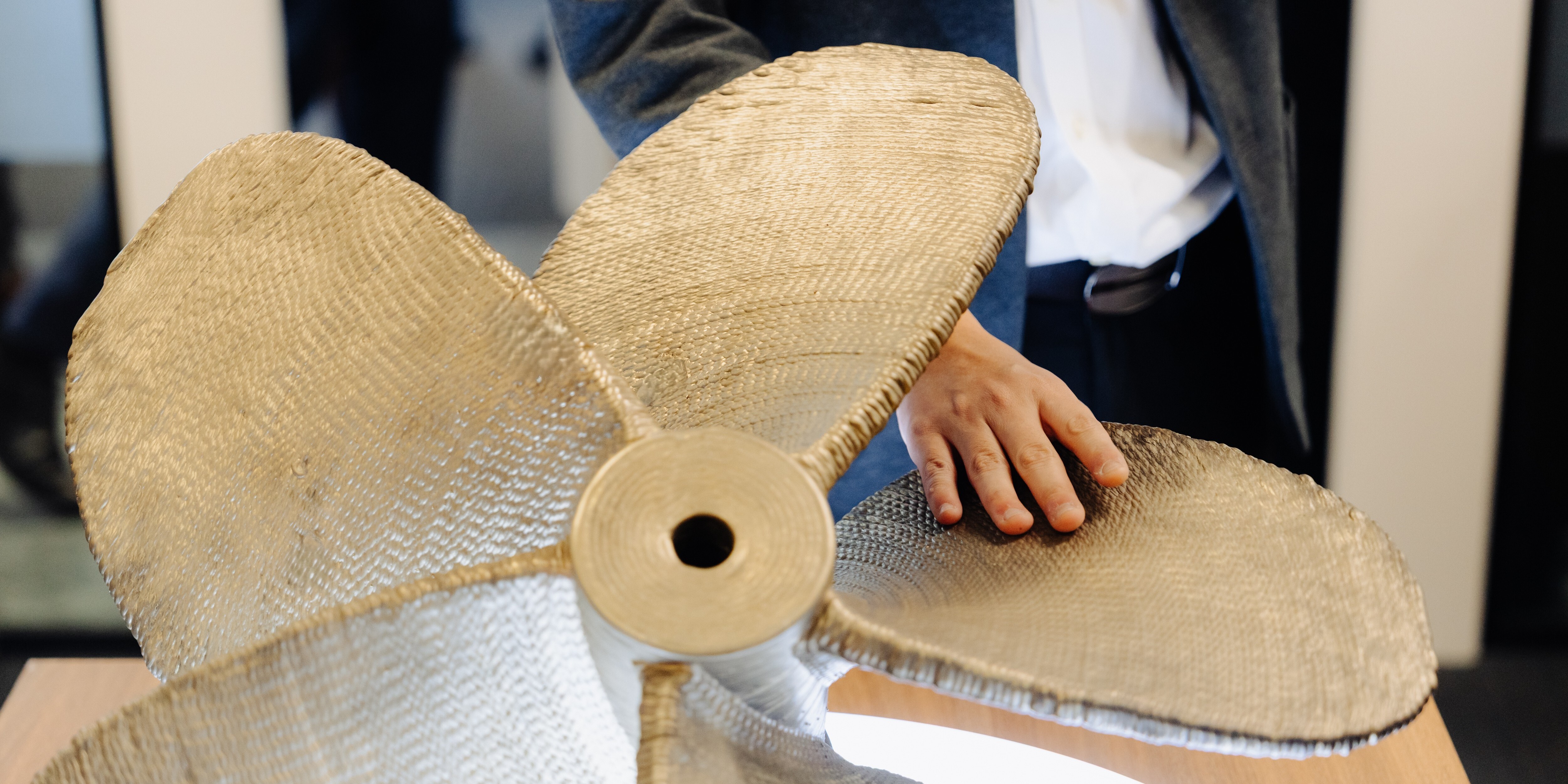
Gray-market suppliers fill this gap by offering faster availability. The trade-off is that quality, certification, and traceability cannot be verified. However, on-demand manufacturing is now easing these supply chain constraints.
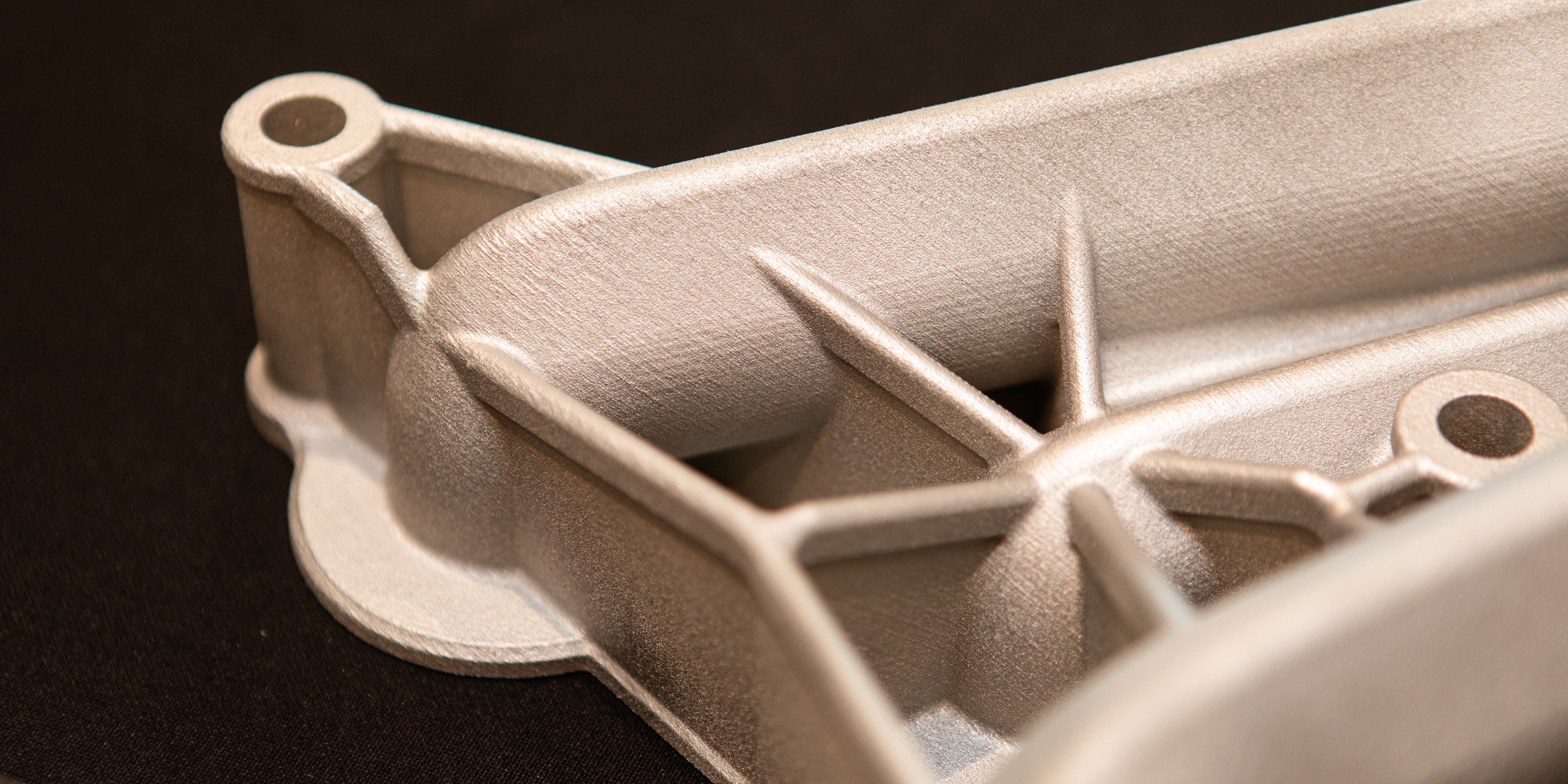
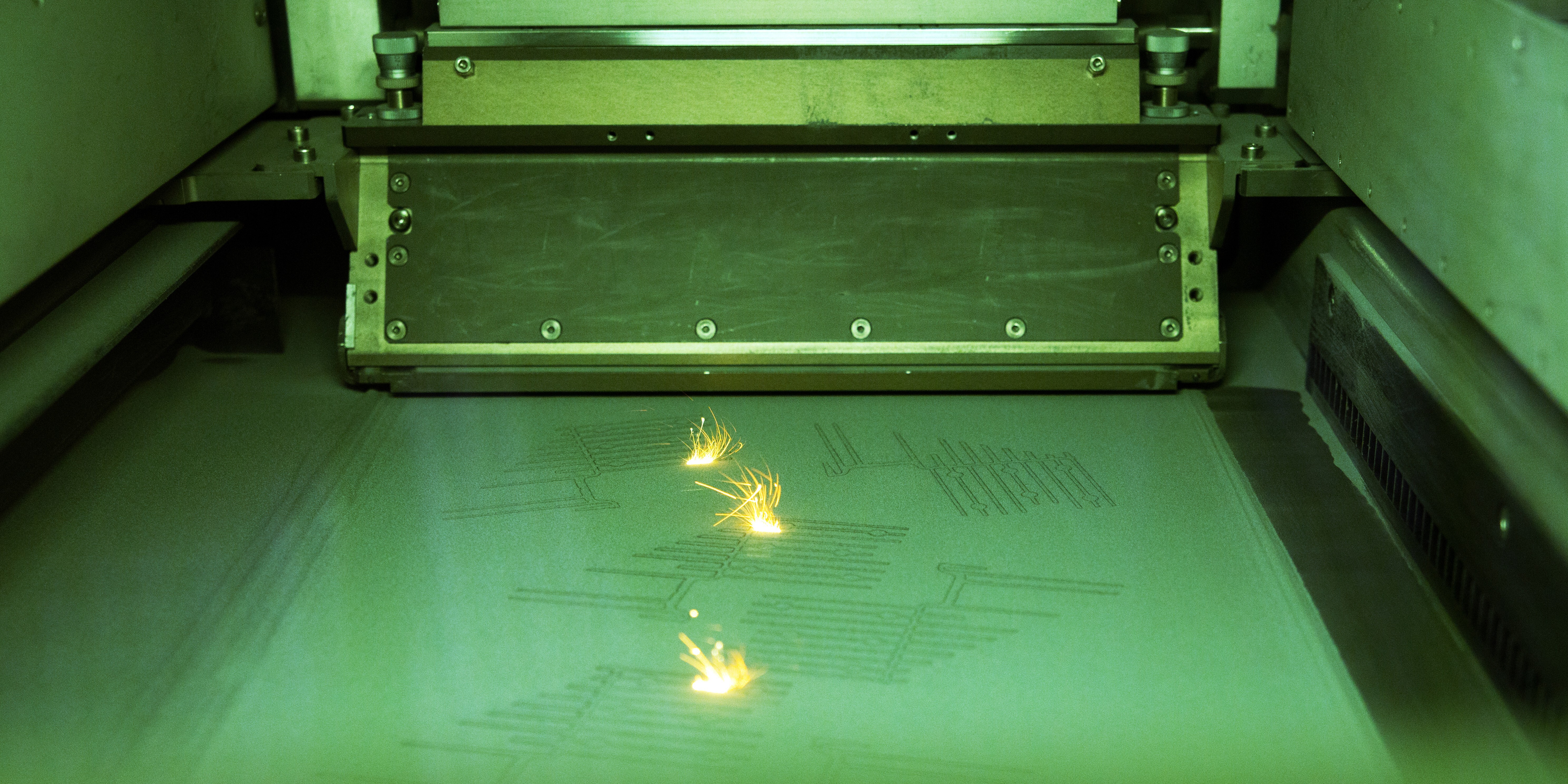
It allows qualified genuine OEM parts to be produced through a certified network under OEM authorization and dispatched with shorter lead times.
What Genuine OEM Parts Protect Over The Long Term
Equipment Performance And Service Life
Parts designed for a system maintain the performance characteristics around which the asset was built, allowing the system to function as intended without placing additional strain on adjacent components.
Asset Value
Equipment maintained with certified, traceable parts retains its operational credibility and classification standing.
The Genuine Maker Relationship
OEMs remain the trusted partner for service, warranty, and technical support.
When operators source non-genuine alternatives, the OEM loses visibility of what is installed on its equipment, and with it the ability to stand behind its performance.
Gray-market suppliers compete on speed and price. They do not carry the engineering knowledge, certification support, or liability that comes with the genuine maker.
What Genuine Makers Can Now Supply On Demand
The lead time constraint that historically drove operators toward non-genuine sources is being addressed through on-demand manufacturing.
For operators, this changes what “available from the genuine maker” means in practice.
- hysical stock of qualified parts is replaced with digital inventory where it makes commercial sense
- Parts are digitized and produced on request through a certified global manufacturing network
- Production is localized near the point of need, reducing logistics lead times
- Every part produced carries full traceability from order to delivery
- Classification society documentation is maintained throughout
Pelagus enables genuine makers to offer this model, reducing physical stock where relevant and protecting the OEM-customer relationship. Operators no longer need to compromise on certification or wait months for supply.
Read: The Commercial Case for Long Lead Time Parts